Sheet Metal Fabrication
Outer Banks NC – Elizabeth City NC – Tidewater VA
Metal Roof Panels & Flashings – Deck Flashing
Facia Metal – Drip Edge – Metal Roof Panels – Chase Covers – Gutters
Stainless – Aluminum – Copper – Galvanized – Painted
Architectural Sheet Metal Fabrication For Your Home or Business
Gallop Roofing & Remodeling, Inc’s (GRRI) specializes in standard & custom architectural sheet metal fabrication, creating top-quality custom sheet metal products for the Roofing, HVAC, Commercial Windows industries, and industrial components for multiple applications. Consider GRRI for all of your standard and custom architectural sheet metal fabrication needs.
We specialize in sheet metal parts and components made of stainless steel, copper, precoated aluminum, galvanized steel, paint grip, aluminum, and steel. Our same state-of-the-art manufacturing facility is also used for our standard roofing sheet metal product line, including stainless steel deck flashings, pitch-pockets, conductor-heads, downspout adaptors, pipe-flashing, curb caps, equipment rail caps, and other specialty roofing items. With Gallop, quality is built into every custom sheet metal fabrication job.
Architectural sheet metal fabrication is the process of creating custom metal components and structures for use in building and construction projects. This can include things like roofing, flashing, gutters, downspouts, and other architectural features that are made from sheet metal.
Sheet metal is a thin, flat piece of metal that is typically made from aluminum, steel, copper, or other metal alloys. It is available in a range of thicknesses and can be cut, bent, and shaped into various shapes and sizes using specialized tools and machines.
Architectural sheet metal fabrication typically involves the use of computer-aided design (CAD) software to create detailed drawings and specifications for the desired metal components. These drawings are used to guide the fabrication process, which may involve cutting the sheet metal using a laser cutter, water jet cutter, or other cutting tool, and then bending and shaping the metal using a variety of techniques, such as pressing, rolling, or folding.
Once the metal components have been fabricated, they are typically finished with a coating or finish to protect them from the elements and enhance their appearance. This may include painting, powder coating, or applying a patina to the metal.
Overall, architectural sheet metal fabrication is an important part of the construction process, and plays a key role in creating functional and aesthetically pleasing building features.
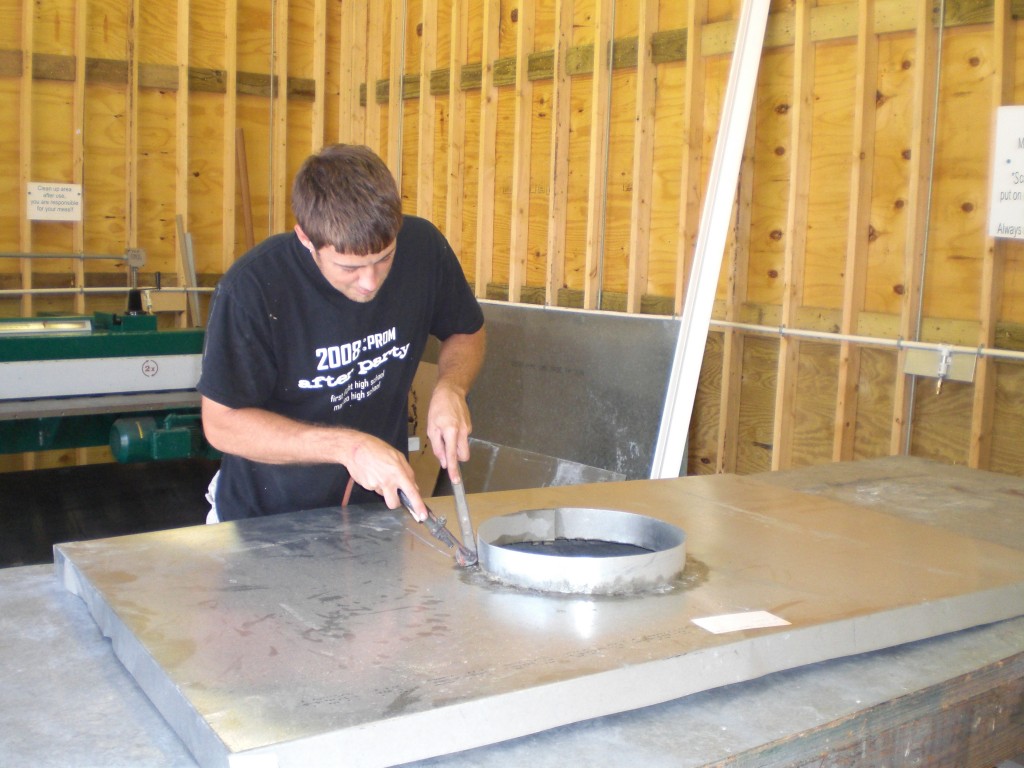
Metal Shop
Currituck Location
6158 Caratoke Hwy
Poplar Branch, NC 27965