Roof Cost & Roofing Prices
Outer Banks NC – Elizabeth City NC – Tidewater NC
Roof cost: what you need to know
In preparing your estimate, roofing contractors take into account many variables, including the roof, your preferences, your budget, and even your location.
Costs associated with roofs
It is important to know the total cost of your new roof, but roofing contractors estimate it based on several factors. A roofing contractor delivers an accurate cost estimate by:
- Measure the roof – Most measurements of roofs are done digitally, using satellite imagery or drone technology, and include slopes, peaks, and the roof’s overall complexity.
- Do an inspection – A thorough roof inspection allows contractors to assess your roof’s condition and determine the project scope.
- Recommend products – Your contractor will outline the best roofing system materials (shingles, ventilation and accessories) and warranty options.
- Calculate costs – Your contractor will be able to bring all the costs together: labor, materials, warranties, and applicable fees (permits, preparation, clean up).
Key factors that impact roof quotes
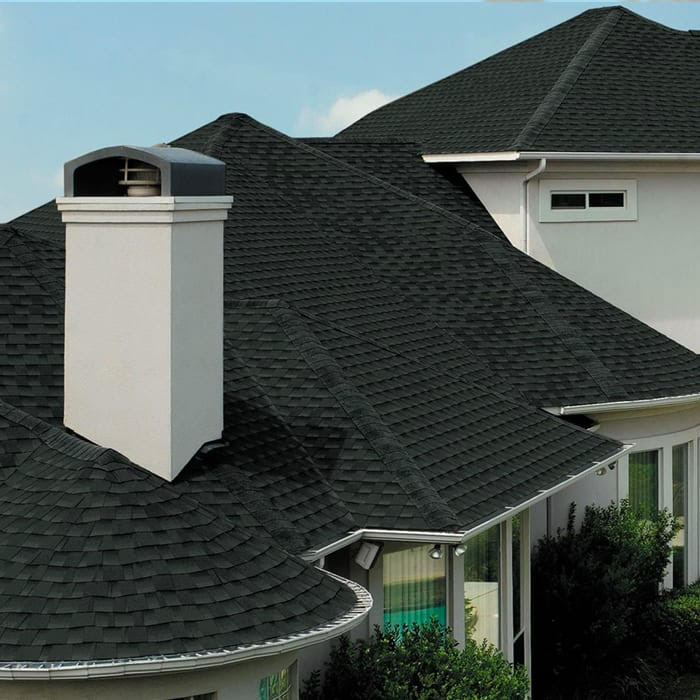
Size
A roof’s size is the most significant cost factor. Calculate the approximate roofing square number by multiplying the square footage by 100. Materials and installation are usually included in a “per square” cost. According to the U.S. Census, the average residential roof in the United States is 17 squares, or approximately 1700 square feet.
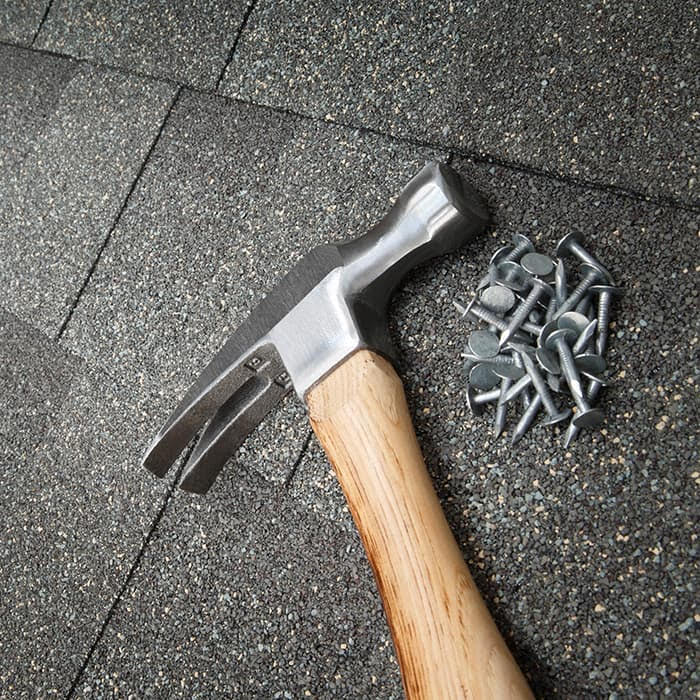
Materials
Among residential roofing materials, asphalt shingles are the most popular and least expensive. The cost of a metal roof, wood roof, slate roof, clay roof, or roof with solar tiles is usually higher. Roofs made from these other materials may have other benefits, like providing solar power to your home for example, but there are other trade-offs you will want to consider.
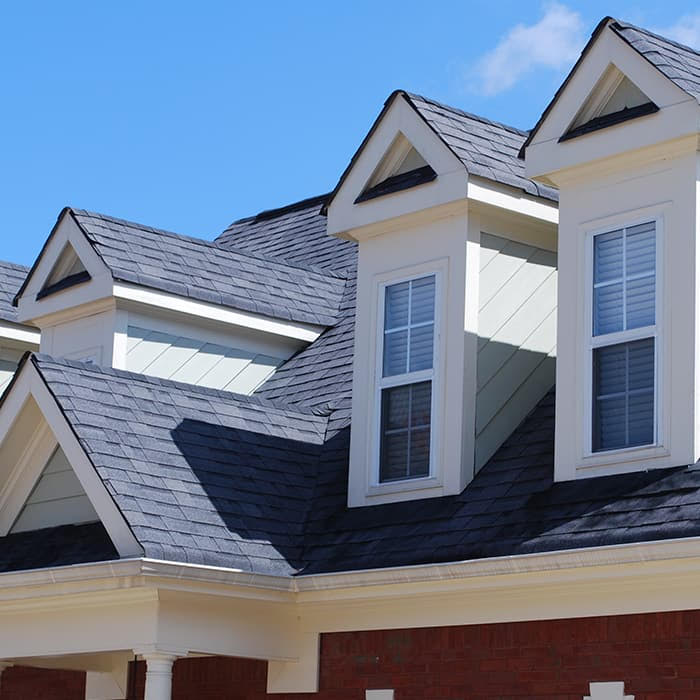
Complexity
Steeper roofs need more staging, safety precautions, and will likely take longer to install. The pitch also determines the type of underlayment needed for the highest level of fire safety. Roofing contractors also calculate features like chimneys, skylights and ventilation pipes that they need to work around, and complexities like the number of facets–or faces–the roof has.
Location
You can expect to pay a different amount for a roof replacement depending on where you live in the U.S. Cost fluctuations may reflect the general cost of living differences in each region, and possibly the different material needs, or local code requirements, based on varying climates and other factors
Considerations for your new roof
- Be sure to get more than one estimate and compare the details closely. See our tips choosing the right roofer here.
- The lowest estimate may not be the best choice – costs will be higher for higher levels of installation quality, product durability and warranty protection.
- Insurance may cover some or all of your costs if your roof sustained damage from a storm. Check with your agent before signing a contract with a roofer.
- If you are in a storm market, paying for a stronger warranty now may save you a lot of money later. Learn about GAF Enhanced Warranties here.
- Remember – in addition to protecting your family and belongings, your roof can represent up to 40% of curb appeal and contribute to the value of your home, too!
How to pay for your new roof
A roof that protects your home deserves a payment plan that protects your wallet. Consider using one or more of these common payment options.
Monthly Payments
A monthly payment plan can help you fit your roofing project into your household budget. Check with your contractor to see what their financing packages look like. Many have relationships with lenders and may be able to offer an interest-free period or other deals.
Credit Cards
You might not have considered a credit card as a way to pay for a major home improvement. But your personal line of credit may offer a convenient payment option for your roofing project. After checking your credit card terms, talk to your contractor about cards they’re set up to accept.
Insurance
Be sure to read your policy carefully or check with an insurance broker or attorney to see what deductibles, limits and exclusions may apply. Your policy, for instance, might not cover a roof that has deteriorated due to age or neglect. Then talk to an experienced roofing contractor. They work with insurance companies all the time, and may be able to answer many of your questions.
Talk to your GAF Factory Certified Contractor about flexible payment options that can help you protect your roof investment and your wallet.